
Fish diseases can be concerning for both new and experienced aquarists. Early detection and appropriate treatment are crucial for maintaining the health of your aquarium inhabitants. This guide will help you identify common fish diseases, understand their causes, and learn effective treatment methods.
Introduction
Prevention: The Best Medicine
Before discussing specific diseases, it's important to understand that many fish health problems can be prevented through proper aquarium maintenance:
Water Quality: Regular testing and water changes are essential
Quarantine: New fish should be quarantined for 2-4 weeks before introduction
Proper Nutrition: Feed a varied diet appropriate for your fish species
Stress Reduction: Maintain appropriate stocking levels and compatible species
Equipment Maintenance: Clean filters, heaters, and other equipment regularly
Medication Safety
Remove Activated Carbon during treatment
Follow Dosing Instructions precisely
Consider Species Sensitivity (scaleless fish, invertebrates, plants)
Monitor Fish closely during treatment
Maintain Oxygenation as some medications reduce oxygen levels
Test Water Parameters regularly during treatment
When fish show signs of illness, follow these steps:
Test Water Parameters: Ammonia, nitrite, nitrate, pH, temperature
Observe Symptoms: Appearance, behavior, affected fish (one or many)
Research Possibilities: Compare symptoms to known diseases
Consider Quarantine: Move sick fish to separate tank if possible
Treatment Plan: Begin with least intrusive treatment appropriate
Monitor Response: Adjust treatment if no improvement within 3-5 days
White Spot Disease (Ich)
Identification
Appearance: Small white cysts resembling salt grains on fins, body, and gills
Behavior: Fish may scratch against objects, become lethargic, clamp fins, or show rapid gill movement
Cause: Parasite (Ichthyophthirius multifiliis)
Treatment
Medication Options:
Malachite green
Formaldehyde/formalin
Copper-based medications
Salt treatment (for some species)
Treatment Duration: Continue treatment for 10-14 days to break the parasite's lifecycle
Notes: Remove carbon filtration during treatment; treat the entire tank as the parasite has free-swimming stages
Velvet Disease (Gold Dust Disease)
Identification
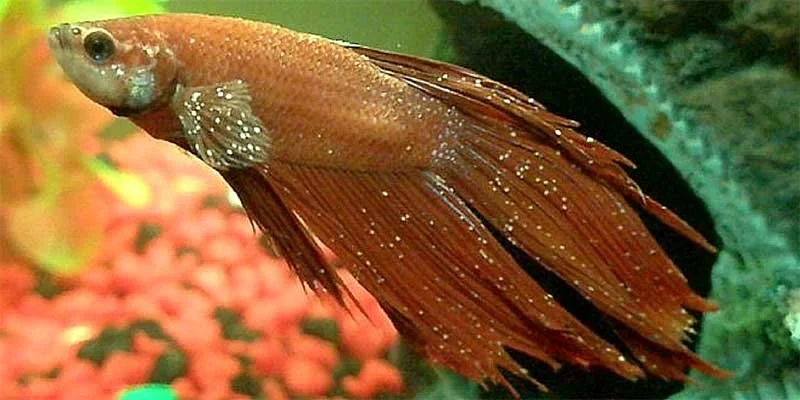
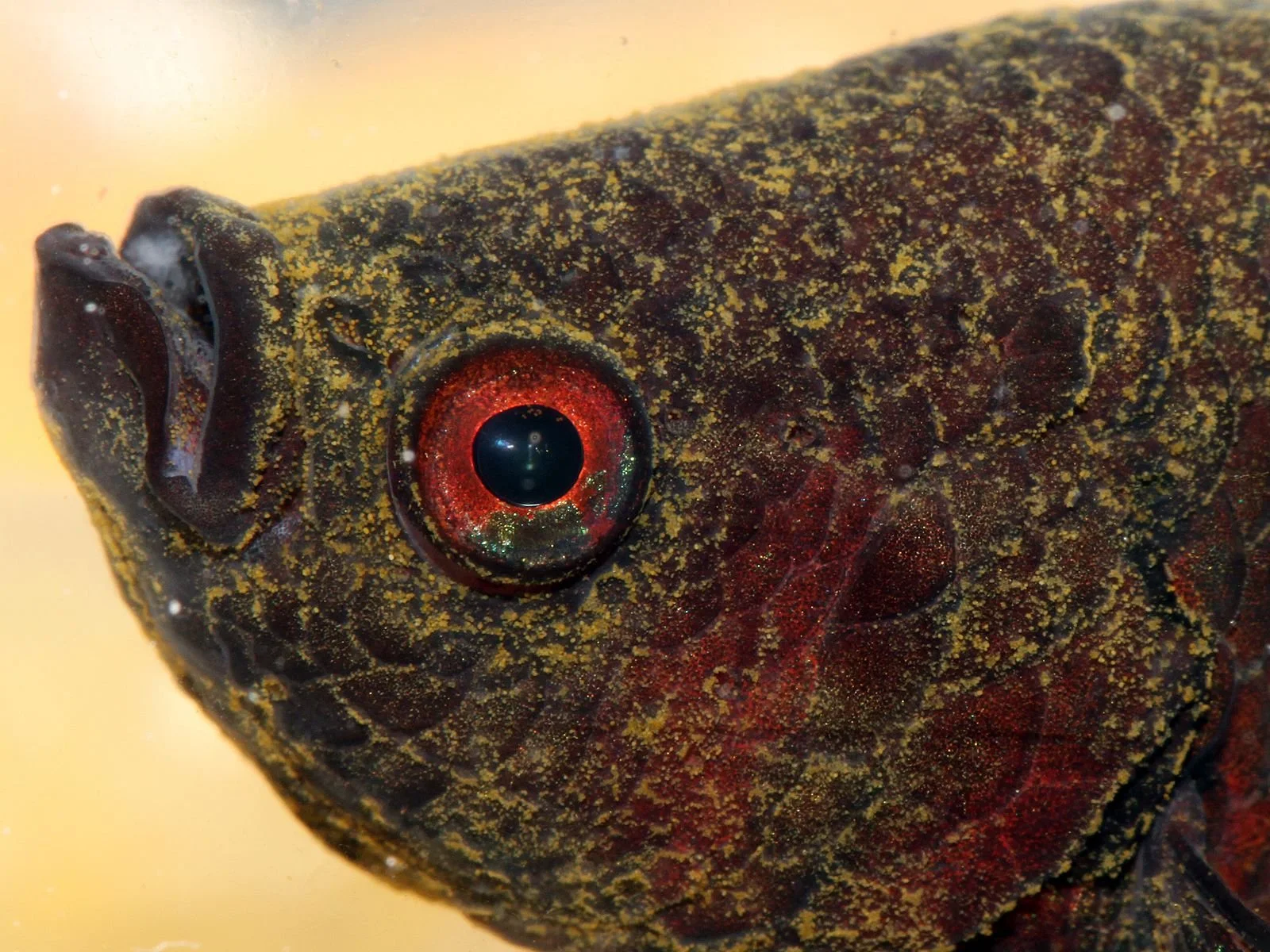
Appearance: Fine gold or rust-colored dust coating the fish; less distinct than ich
Behavior: Similar to ich - scratching, lethargy, and rapid breathing
Cause: Parasitic dinoflagellate (Piscinoodinium or Oodinium species)
Treatment
Dim Lighting: Reduce light as the parasite is photosynthetic
Medication Options:
Copper sulfate (not for invertebrates or sensitive species)
Acriflavine
Copper-based medications
Treatment Duration: 10-14 days
Notes: Very contagious; treat quickly and aggressively
Fin Rot & Tail Rot
Identification
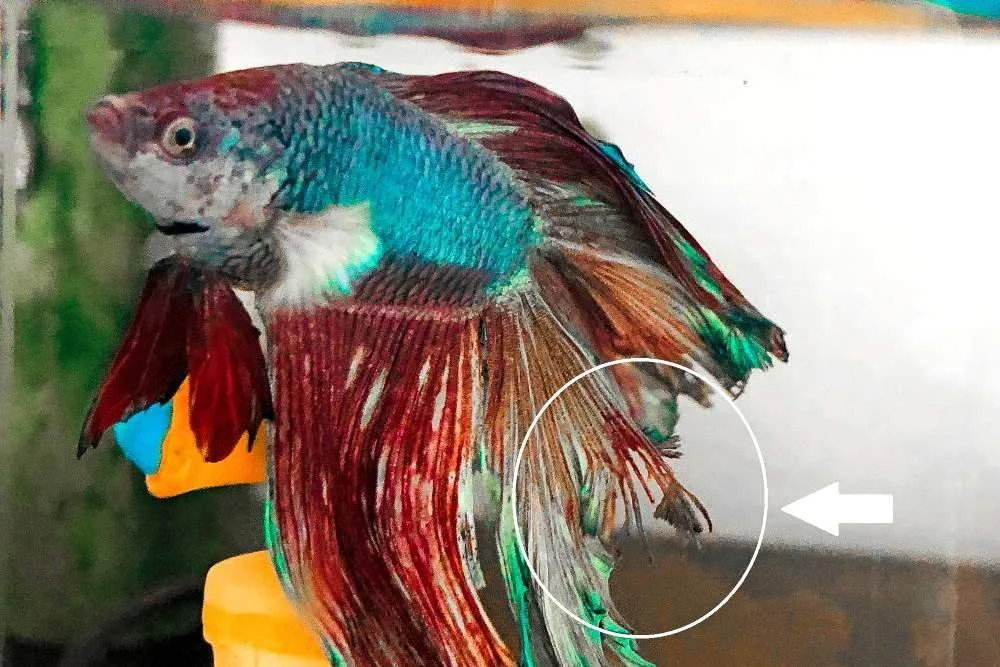
Appearance: Frayed, discolored, or receding fins; may have white edges on fins
Behavior: No specific behavioral changes unique to this condition
Cause: Bacterial infection (often Aeromonas, Pseudomonas, or Vibrio species), usually secondary to poor water quality or injury
Treatment
Water Quality: Immediate water change (30-50%) and improve maintenance
Medication Options:
Antibacterial treatments containing nitrofurazone, kanamycin, or erythromycin
Methylene blue baths for mild cases
Treatment Duration: 7-10 days or as directed
Notes: If caught early, often improves with just water quality correction
Columnaris (Cotton Mouth Disease)
Identification
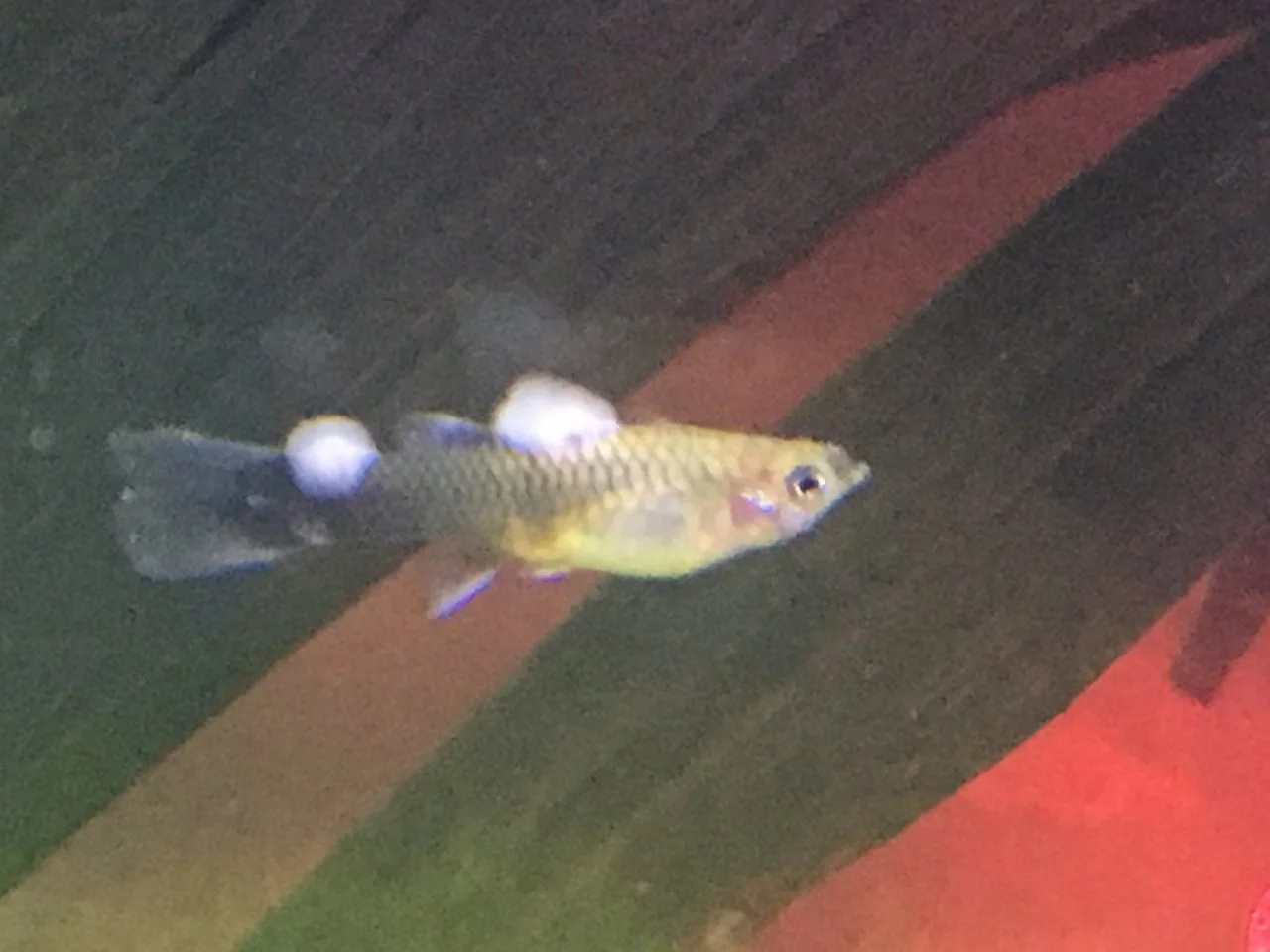
Appearance: White or grayish patches resembling cotton, especially around mouth, fins, and gills; may begin as small white spots that expand into fuzzy patches
Behavior: Lethargy, loss of appetite, hanging at surface or bottom
Cause: Bacterial infection (Flavobacterium columnare)
Treatment
Lower Temperature: Unlike many treatments, reduce temperature to 75°F/24°C as the bacteria thrive in warmer water
Medication Options:
Antibiotics containing nitrofurazone, kanamycin, or triple sulfa
Potassium permanganate (short bath)
Treatment Duration: 7-10 days
Notes: Highly contagious and can progress rapidly; treat immediately
Dropsy
Identification
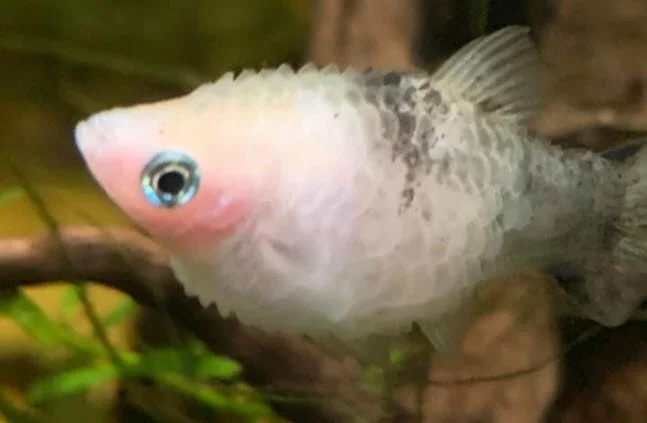
Appearance: Swollen abdomen, scales protruding outward (pinecone appearance)
Behavior: Lethargy, loss of appetite, staying near surface or bottom
Cause: Internal bacterial infection affecting organs, often a symptom of advanced illness rather than a primary disease
Treatment
Isolation: Move affected fish to quarantine tank
Medication Options:
Antibiotics containing kanamycin or nitrofurazone
Epsom salt (1-3 tsp per 5 gallons) to reduce fluid retention
Treatment Duration: 7-14 days
Notes: Often difficult to treat successfully once pineconing appears; focus on early detection and treatment
Swim Bladder Disorder
Identification
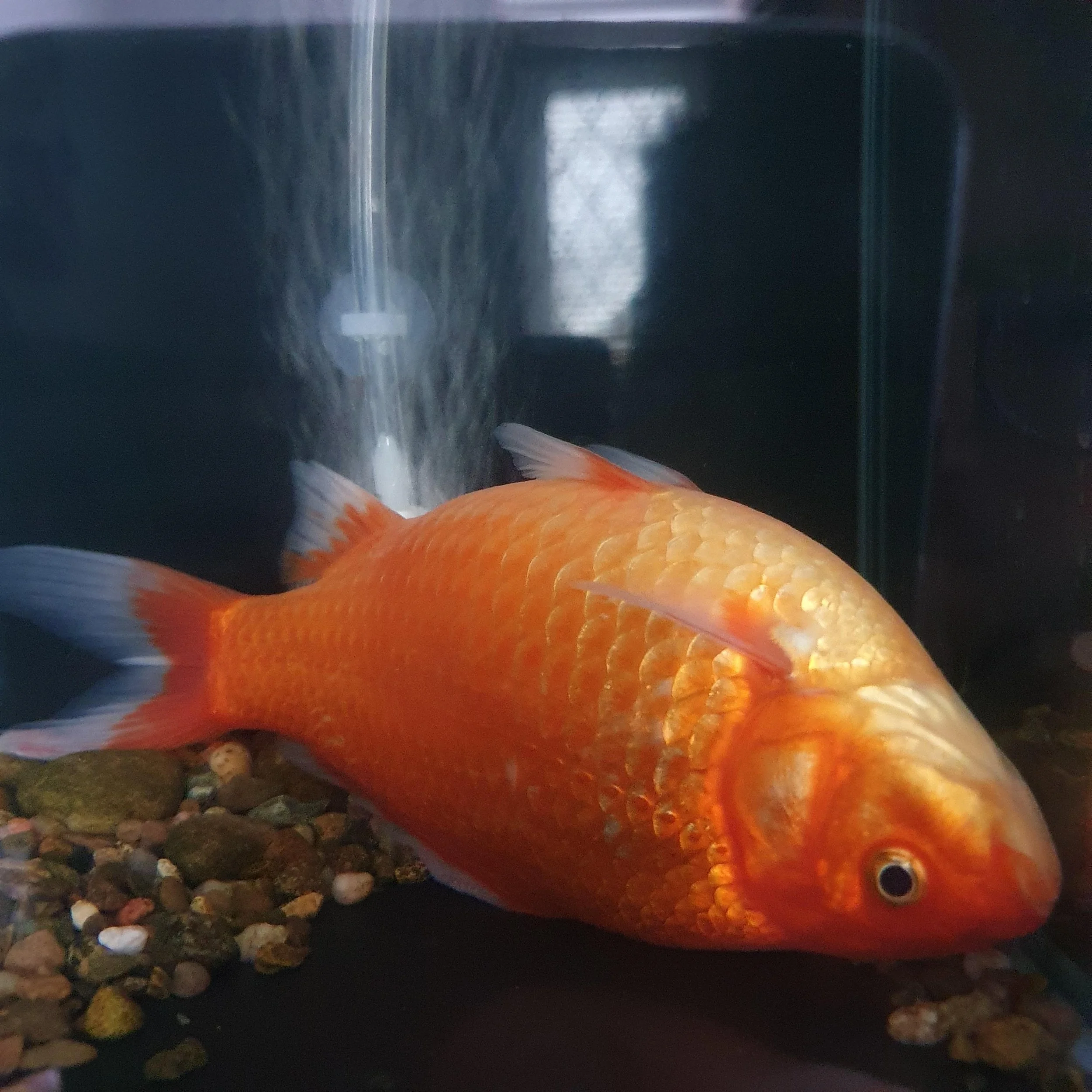
Appearance: Fish may float sideways, upside down, or struggle to maintain normal position
Behavior: Difficulty swimming, staying at surface or bottom
Cause: Constipation, bacterial infection, physical trauma, or congenital defect
Treatment
Dietary Adjustment: Fast for 2-3 days, then feed cooked/shelled peas (for omnivorous or herbivorous fish)
Environmental: Ensure water quality is optimal
Medication Options:
Antibiotics if bacterial infection is suspected
Epsom salt (1-2 tsp per 10 gallons)
Treatment Duration: Variable based on cause
Notes: Often temporary in fancy goldfish due to feeding; may be permanent if congenital
Hole-in-the-Head Disease (HITH)
Identification
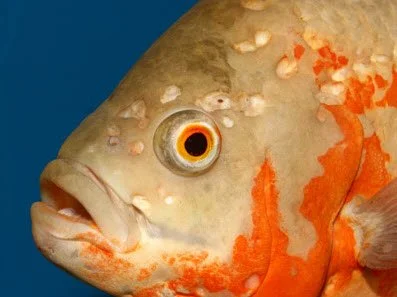
Appearance: Pits or holes in the head and lateral line area; may begin as white spots that develop into lesions
Behavior: May show no behavioral changes initially; later stages include lethargy and loss of appetite
Cause: Multiple factors including poor water quality, nutritional deficiencies, and possibly the parasite Hexamita
Treatment
Water Quality: Aggressive water change schedule (30-50% weekly)
Diet Improvement: Add vitamin-rich foods and vary diet
Medication Options:
Metronidazole if parasitic infection is suspected
Activated carbon removal from filter
Treatment Duration: 7-14 days for medication; ongoing for environmental improvements
Notes: Often seen in cichlids and discus; environmental improvements are as important as medication
Popeye (Exophthalmia)
Identification
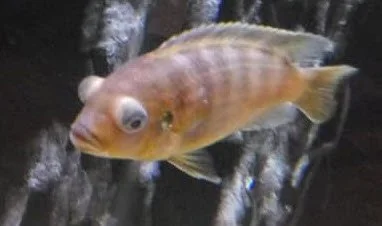
Appearance: One or both eyes bulging outward from the head
Behavior: May show no behavioral changes or some disorientation if severe
Cause: Physical injury, bacterial infection, or poor water quality (unilateral usually indicates injury, bilateral usually indicates infection or water quality)
Treatment
Water Quality: Immediate water change (30-50%)
Medication Options:
Broad-spectrum antibiotics for bacterial infection
Epsom salt (1-2 tsp per 10 gallons)
Treatment Duration: 7-10 days
Notes: Recovery may be slow; eye damage may be permanent even if infection clears
Fish Fungus
Identification
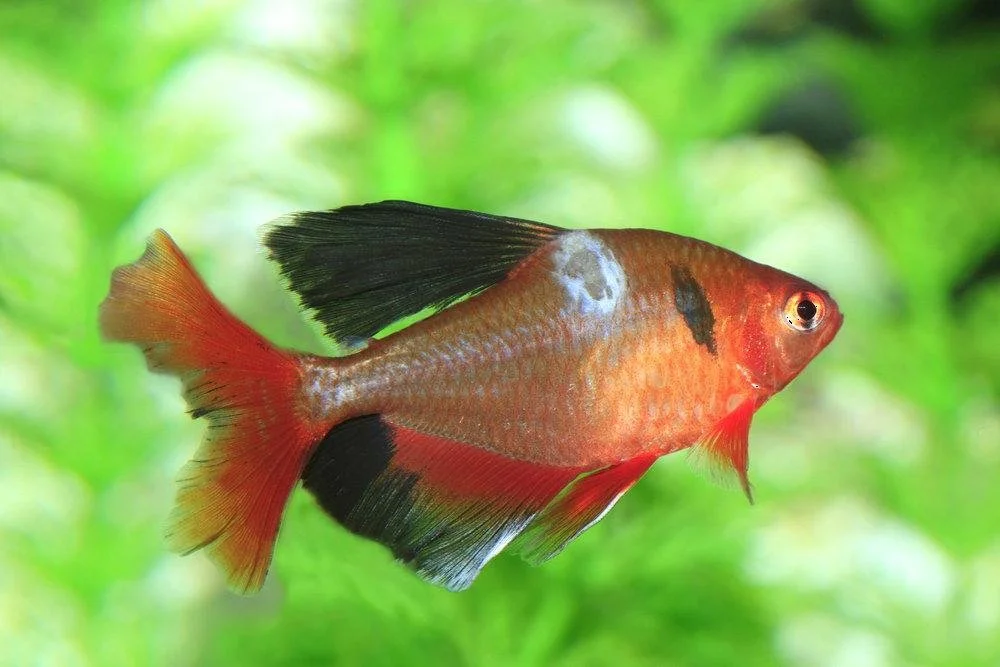
Appearance: Cotton-like growths, white or gray in color (true fungus resembles cotton balls)
Behavior: Depends on affected area; may show scratching or discomfort
Cause: Fungal infection, typically secondary to injury or stress
Treatment
Water Quality: Immediate water change (30-50%)
Medication Options:
Antifungal treatments containing malachite green or methylene blue
Salt dips (for salt-tolerant species)
Treatment Duration: 7-10 days
Notes: Often confused with columnaris; true fungus is usually secondary to another problem
Anchor Worms
Identification
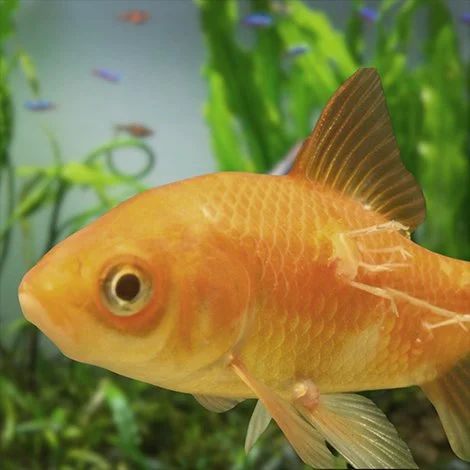
Appearance: Visible thread-like parasites (3-15mm) protruding from fish's body
Behavior: Fish may scratch, flash, or show irritation at attachment sites
Cause: Parasitic crustacean (Lernaea species)
Treatment
Manual Removal: Carefully remove visible parasites with tweezers (after sedating fish for severe cases)
Medication Options:
Organophosphates like trichlorfon
Potassium permanganate baths
Diflubenzuron (for tank treatment)
Treatment Duration: Multiple treatments 1 week apart for 3-4 weeks
Notes: Complete removal is important; leaving part of the parasite can cause infection
Fish Lice
Identification
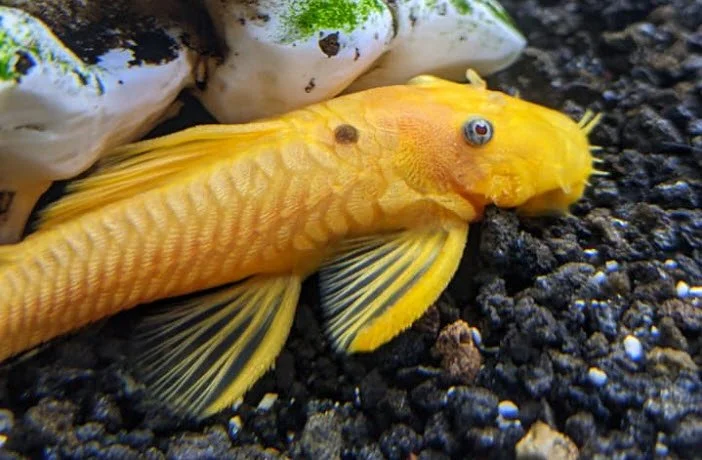
Appearance: Flat, oval, translucent parasites (2-5mm) attached to fish's body
Behavior: Fish may scratch, flash, or show irritation
Cause: Parasitic crustacean (Argulus species)
Treatment
Manual Removal: Carefully remove visible parasites with tweezers
Medication Options:
Organophosphates like trichlorfon
Diflubenzuron
Salt dips (for salt-tolerant species)
Treatment Duration: Multiple treatments 1 week apart for 3-4 weeks
Notes: Treats entire tank; vacuum substrate to remove eggs
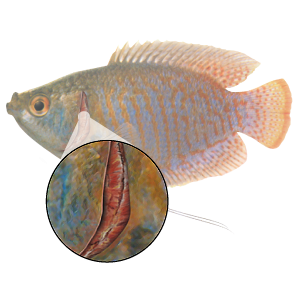
Gill Flukes
Identification
Appearance: Not directly visible; gills may appear swollen or pale
Behavior: Rapid gill movement, gasping at surface, scratching gills against objects
Cause: Parasitic flatworms (Dactylogyrus species)
Treatment
Medication Options:
Praziquantel
Flubendazole
Formalin baths
Treatment Duration: Multiple treatments 7-10 days apart
Notes: Often requires multiple treatments due to life cycle of parasite
Body Flukes
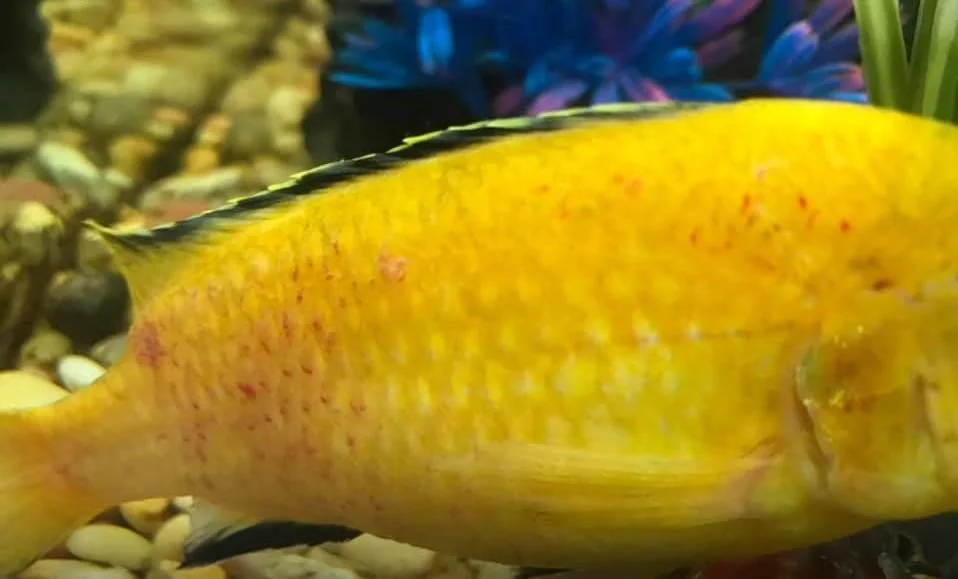
Identification
Appearance: Not directly visible; may cause excess mucus or cloudy appearance on skin
Behavior: Scratching, flashing, darting
Cause: Parasitic flatworms (Gyrodactylus species)
Treatment
Medication Options:
Praziquantel
Flubendazole
Potassium permanganate baths
Treatment Duration: Multiple treatments 7-10 days apart
Notes: Unlike gill flukes, these are live-bearing and can multiply rapidly
Costia
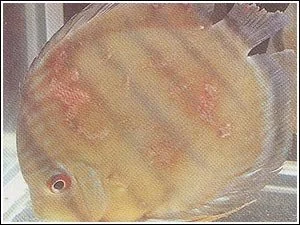
Identification
Appearance: Cloudy or bluish-white film on body
Behavior: Lethargy, loss of appetite, flashing
Cause: Parasite (Ichthyobodo species)
Treatment
Medication Options:
Salt treatment (1-3 tsp per gallon for freshwater species that tolerate it)
Malachite green
Formaldehyde/formalin
Treatment Duration: 7-10 days
Notes: More common in cold water; raise temperature slightly during treatment
Some antibiotics and anti-parasitic medications mentioned in this guide may not be readily available and require a veterinary prescription in Canada. These include erythromycin, kanamycin, nitrofurazone, and metronidazole. If you can’t find the medication you need, contact your LFS and see if they can guide you to alternatives.
Importation Notice: Importing fish medications from other countries may violate Canadian regulations. Always purchase medications from authorized Canadian retailers.
For more information visit Aquariumscience.org