
The Complete Beginner's Guide to Fishkeeping
Introduction
Welcome to the wonderful world of fishkeeping! This hobby offers a unique blend of natural beauty, scientific learning, and peaceful enjoyment. Whether you're setting up your first aquarium or looking to improve your understanding of aquatic environments, this guide will help you establish a healthy, thriving underwater world.
Getting Started: The Nitrogen Cycle
Before purchasing any fish, it's essential to understand the nitrogen cycle—the biological process that makes aquarium keeping possible.
Understanding the Nitrogen Cycle
What it is: When fish waste and uneaten food break down, they release ammonia (NH₃), which is highly toxic to fish.
Beneficial bacteria: Two types of bacteria develop in your aquarium:
Nitrosomonas: Converts ammonia to nitrite (also toxic)
Nitrobacter: Converts nitrite to nitrate (less toxic)
Cycling timeline: Establishing these bacteria colonies takes 4-6 weeks in a new tank.
How to Cycle Your Tank
Fishless cycling (recommended):
Set up your tank with filter, heater, and decorations
Add a source of ammonia (fish food, pure ammonia, or established filter media)
Test water regularly with a liquid test kit
Wait until ammonia spikes, then drops to zero
Wait for nitrites to spike, then drop to zero
When ammonia and nitrites read zero and nitrates are present, your tank is cycled
Signs of a cycled tank:
Ammonia: 0 ppm
Nitrite: 0 ppm
Nitrate: Less than 20 ppm
Essential Equipment
The Tank
Size matters: Larger tanks (20+ gallons) are actually easier for beginners as they are more stable
Location: Place on a sturdy, level surface away from direct sunlight and heat sources
Materials: Glass is heavier but more scratch-resistant, acrylic is lighter but scratches easily
Filtration
Types of filtration:
Mechanical: Removes particles and debris
Biological: Houses beneficial bacteria
Chemical: Removes impurities and discoloration
Filter sizes: Choose a filter rated for at least your tank size, or larger
Heating and Lighting
Heaters: Use 3-5 watts per gallon as a general rule
Thermometer: Essential for monitoring temperature
Lighting: Consider both fish and plant needs, use a timer for consistency
Other Essential Equipment
Water conditioner: Removes chlorine and chloramine from tap water
Test kit: Liquid test kits are more accurate than strips
Siphon/gravel vacuum: For water changes and substrate cleaning
Algae scraper: For removing algae from glass/acrylic
Fish net: For safely catching and moving fish
When purchasing equipment its always recommended to buy and get advice from your local fish store
The following stores have an excellent selection of equipment:
Setting Up Your First Tank
Step-by-Step Setup
Rinse all materials (except filter media) with water only—no soap
Place the tank on a sturdy, level surface
Add substrate (1-2 inches for fish-only, 2-3 inches for planted tanks)
Install equipment (filter, heater, thermometer)
Add decorations (rocks, driftwood, plants)
Fill with water using a plate to prevent substrate disruption
Add water conditioner
Turn on equipment and ensure everything works
Begin cycling as described above
Decorating Your Tank
Natural vs. artificial: Both have pros and cons
Creating hiding spaces: Essential for fish security
Plant considerations: Live plants improve water quality but require more care
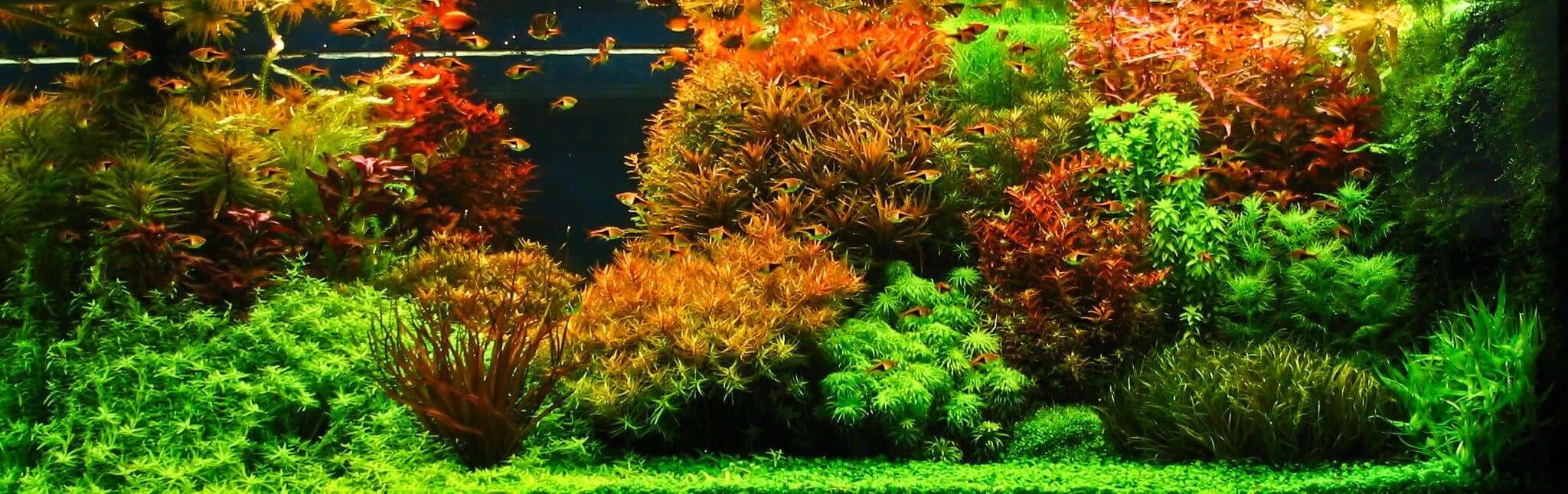
Aquascaping basics: Consider focal points, height variation, and open swimming area
Choosing Your First Fish
Beginner-Friendly Fish
Peaceful community fish:
Tetras (Neon, Black Skirt, Ember)
Rasboras (Harlequin, Chili)
Danios (Zebra, Celestial Pearl)
Corydoras catfish
Platies and Swordtails
Guppies and Endlers
Honey or Dwarf Gouramis
Bettas (in appropriate tanks)
Stocking Guidelines
The one-inch rule: One inch of adult fish per gallon (very general guideline)
Better approach: Research each species' needs and compatibility
Stocking slowly: Add fish gradually over weeks, not all at once
Quarantine: Consider quarantining new fish before adding to main tank
Fish Compatibility
Research temperament: Peaceful, semi-aggressive, aggressive
Swimming levels: Top, middle, bottom
Water parameter needs: Temperature, pH, hardness
Schooling requirements: Many small fish need groups of 6+
When purchasing fish its always recommended to buy and get advice from your local fish store.
Websites like AQAdvisor can be useful with stocking your tank.
Routine Maintenance
Water Changes
Frequency: 25-30% every 1-2 weeks for established tanks
Procedure:
Turn off heater and filter
Use siphon to remove water while cleaning gravel
Add conditioned water of similar temperature
Turn equipment back on
Feeding
Amount: Feed only what can be consumed in 2-3 minutes
Frequency: Once or twice daily for most fish
Variety: Offer a mix of high-quality flakes, pellets, frozen, and live foods
Fasting: Consider a fast day once a week
Testing and Monitoring
Weekly tests: Ammonia, nitrite, nitrate, pH
Monthly tests: GH (general hardness), KH (carbonate hardness)
Observation: Watch for changes in fish behavior, appearance, or eating habits